A profile of his five decades of Ganga research. It describes the Eco-skills framework and the training of Ganga Mitras with the Ganga research centre and SIET.
Read the original article ↗Prof. B. D. Tripathi Foundation Trust · Varanasi
Sudha Institute of Environment & Technology
A centre for environmental education, research and eco-skill training, inculcating environment and technology consciousness for the holistic development of society.
Founded under the Professor B. D. Tripathi Foundation Trust in Varanasi, SIET turns five decades of Ganga research into real environmental education, low-cost pollution-control technology, and the Eco-skills life-skills programme.
Environmental Education
Technology-enabled environmental awareness carried to schools, colleges and communities across the region.
Research & Testing
An environmental testing laboratory for air, water and soil, and eight field-proven pollution-control technologies.
Eco-skills Wellness Centre
SIET's wellness centre and the home of the Eco-skills counselling programme.
1972
Ganga research began
8
pollution-control technologies
1980
honoured by Parliament
ISO 9001:2015 & 14001:2015 certified · Recognised by NITI Aayog, Government of India · Registered under the Indian Trusts Act, 1882
Discover Eco-skills ↓An Eco-skills counselling programme for a happy, stress-free life
From a single seed,
a whole new you.
A science-backed wellness practice built on the four elements that made you: air, water, soil and light. It turns them into measurable daily change.
- A stress-free, peaceful life
- A healthy, balanced mental state
- Sharper focus, memory and concentration
- More energy and better physical health
- Confidence and a whole, growing personality
25 questions · about 5 minutes · your persona revealed instantly. No sign-up, no cost.
400
people studied
50+
years of research
5
dimensions of growth
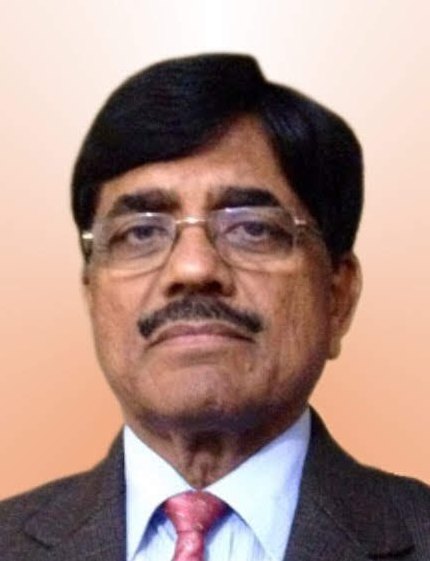
The mind behind the method
Prof. B. D. Tripathi
A scientist who spent fifty years working to restore a sacred river, then applied the same principles to human wellbeing.
Prof. B. D. Tripathi is a UGC Emeritus Professor and Chairman of the Mahamana Malaviya Ganga Research Centre at Banaras Hindu University, and founder of the university's Centre for Environmental Science & Technology. He began pioneering research on pollution of the river Ganga in 1972. The work was formally recognised by the Parliament of India and helped lay the foundation for the national Ganga Action Plan.
Across 37 years of teaching at BHU, he has published more than 226 research papers in national and international journals, authored 10 books, guided 32 PhD scholars, and developed 8 pollution-control technologies that remain in active use today.
He has served the nation in some of its most important environmental roles: as a founder expert member of the National Ganga River Basin Authority (NGRBA), a member of the State Ganga River Conservation Authority, an expert member of the National Ground Water Advisory Council of the Government of India, and President of the Environmental Conservation Association of India. His autobiography has been published by the National Book Trust, Government of India.
His scientific work spans the physico-chemical health of the river Ganga, the behaviour of airborne particulate pollution and its mitigation by trees, and the biomonitoring of toxins through plant life. Through decades of this work, one conviction took shape: the ecological laws that govern the health of a river (energy flow, adaptation, balance and self-regulation) also govern the health of a human being.
Eco-skills is the distillation of that conviction. It is a practical, teachable method that lets anyone apply the workings of natural systems to their own body and mind, a little every day.
UGC Emeritus Professor226+ papers
10 books32 PhDs guided8 technologies
Research & Testing
Eight technologies, built for real pollution problems
In 1972, Prof. B. D. Tripathi began research into the pollution of the Ganga. The findings were honoured by the Parliament of India in 1980. Over the decades that followed, the research became working, low-cost technology.
- 1991
Biological Treatment of Waste Water
Heavy metals and other toxic pollutants are removed from sewage and industrial effluents through a biological treatment process.
Highly appreciated by scientists and technologists in Vienna.
- 1995
Stack Pollution Controller
A device to control air pollution at its source, the industrial stack.
Appreciated by Hon'ble Dr. Shankar Dayal Sharma, President of India.
- 1995
Air Pollution Controller for Silver Refineries
Pollutants from silver refineries are removed at source, and the NO₂ is recycled and converted into nitric acid (HNO₃).
- 1998
Treatment Technology for Saree-Printing Industries
An economical technology for treating the effluents released from saree-printing industries.
Approved by the Hon'ble High Court, Allahabad.
- 2003
Treatment Technology for Dairy Waste Water
A low-cost technology for the tertiary treatment of dairy wastewater with the help of aquatic plants.
- 2003
Air Pollution Control for Brick Industries
A low-cost technology based on wet-scrubber methodology, removing particulate matter and gaseous pollutants from the stacks of brick industries.
- 2007
Noise Pollution Control Technology
A green belt of specific plant species is used to absorb and control noise pollution.
- 2010
Advanced Wastewater Treatment Technology
Different concentrations of ozone gas are used for the removal of organic materials and the bacterial disinfection of treated water.
1991 to 2010. Scroll sideways or use the arrows.
In the press
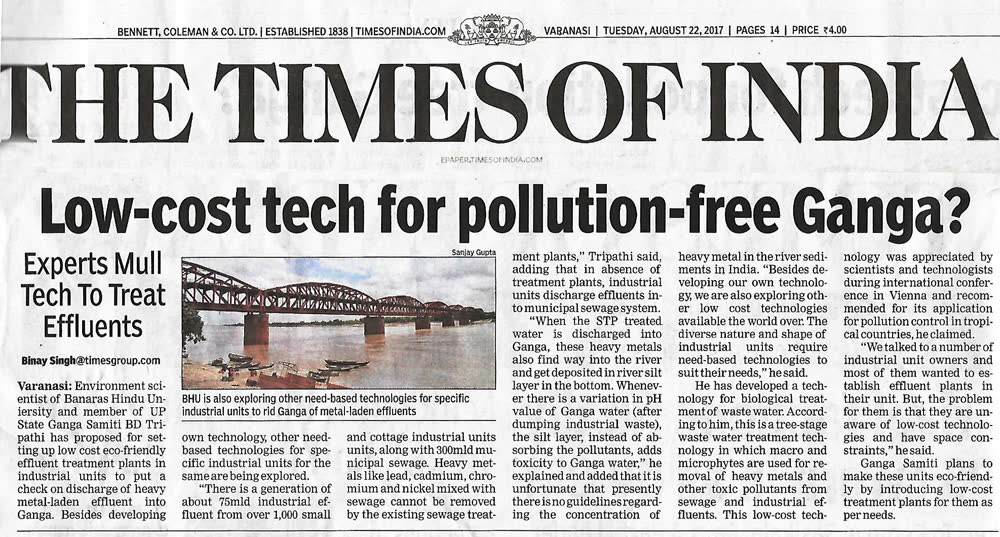
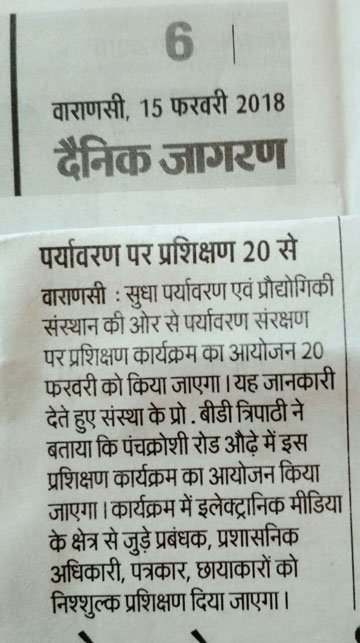
Environmental Testing Laboratory
- Air: ambient air, industrial stacks and brick-kiln emissions
- Water: drinking water and wastewater quality analysis
- Soil: soil testing and primary ecological data
- Effluent: industrial effluents and solid-waste streams
- Assessment: environmental impact assessment and value-addition surveys
- Monitoring: ongoing monitoring of noise, solid waste and environment
Consultancy for environmental clearance, ISO, NABL, NABH and OHSAS certification, and legal safeguards under the Environment Protection Act.
In the news
Prof. Tripathi in the news
Reports in English and Hindi, from 2009 to 2026, that quote Prof. Tripathi or describe his work on the Ganga and the environment. Each links to the original article.
A full interview on the state of the Ganga and the data needed to protect it.
Read the original article ↗The UP government appoints him expert member of the State Ganga authority for two years.
Read the original article ↗A full feature; he assesses the Ganga Action Plan as coordinator of BHU's environmental science centre.
Read the original article ↗The method
What is Eco-skills, and why it matters
Eco-skills (also written EcoSkill) is a set of life skills based on ecological principles, designed to improve physical and mental health, self-awareness and concentration, and to develop a whole, balanced personality.
Life on earth began with billions of reactions among air, water and soil in the presence of sunlight. Every cell in your body is still built from those same elements. Eco-skills is the conscious, daily management of the five everyday inputs through which they reach you: your breath, the light you receive, the water you drink, the food you eat, and the thoughts you hold.
When pure, oxygen-rich blood circulates freely and the mind rests in a calm, positive state, the body releases its own restorative chemistry: serotonin, dopamine, oxytocin and endorphins. When we live disconnected, rushed and anxious, the body floods with stress hormones such as cortisol and adrenaline, which over time erode our health, focus and peace. Eco-skills practice is designed to tip that balance back toward repair.
Why it matters now. Modern life has separated us from the natural systems that built us. We breathe shallowly, wake to screens instead of sunlight, eat without rhythm, and carry a constant background of stress. The result is widespread anxiety, poor sleep and scattered attention. Eco-skills is meant to be practised within ordinary modern life, not apart from it.
How it was built. The method is based on careful observation of how nature works, translated into simple, repeatable practice. It was developed and refined at the Mahamana Malaviya Ganga Research Centre and standardised using a formal assessment scale (the PMSEH framework) with the help of subject experts and statistical validation.
How it was tested. The method was tested on 400 people aged 18–45 across rural, urban and semi-urban areas, measured before practice and again after six months. The number of people in the most unstable, stressed and unfocused category fell sharply, while those in the most stable, self-aware and firm category rose from a handful to the majority.
Who it is for. Eco-skills can be practised at every stage of life: by students seeking focus and confidence, working adults managing stress, teachers and counsellors, and anyone who wants to reconnect with nature. The full curriculum is available in both Hindi and English.
The five everyday inputs
Breath
Steady, conscious breathing shifts the nervous system out of alarm and into repair. Every other practice is built on it, and it is the fastest way to change your inner state.
Light
Morning sunlight resets the circadian clock that governs your sleep, mood, energy and metabolism. Just ten conscious minutes a day can change how you sleep that very night.
Water
Water is the medium of every chemical reaction in your body, including the ones that calm and restore you. Eco-skills treats drinking water as a steady daily rhythm.
Nutrition
What you eat becomes your tissues, your hormones and your thoughts. Eco-skills forbids nothing. It asks you to make one input at a time more conscious and better-timed.
Thought
Sustained, intentional, positive attention has a chemical effect: it releases the body's own calming hormones. Eco-skills makes that release a daily habit.
What you can expect
The benefits of Eco-skills
Reported by participants and observed across the six-month study. The benefits build across body, mind, self and personality.
01
Physical Health
More energy, better circulation and oxygenation, improved immunity, relief from joint and muscular aches, steadier blood pressure, and a body that runs on natural rhythm rather than strain.
02
Mental Health
A marked, often immediate drop in stress and irritability, fewer depressive spells, calmer emotions, and a nervous system trained out of its constant low-grade alarm.
03
Sharper Mind
Stronger memory and recall, greater powers of observation, and a clear improvement in the ability to concentrate and stay focused on what matters.
04
Self-Awareness
A clearer sense of your own nature, interests, strengths and ultimate goal, and the ability to notice what you are doing to yourself in time to choose differently.
05
Eco-Centralization
A reconnection to the natural systems you belong to. Energy stops leaking outward into worry and gathers back at your centre, ready to be directed at your goals.
06
Holistic Personality
Stronger communication, leadership and time management, greater self-confidence, and deeper empathy and warmth toward family, society and nature.
Immediate relief
Many of the stress-management techniques work in minutes. A sudden wave of anger, anxiety or fatigue can be settled on the spot using the 4-A approach (Avoid, Alter, Accept, Adopt) and simple breathing and movement practices.
Better sleep
By realigning light, food and thought with natural rhythms, most people report falling asleep more easily and waking more rested within the first week.
Lasting change
Unlike quick fixes, Eco-skills builds habits anchored in daily contact with nature, so the gains hold. In the study, the vast majority sustained their improvement across the full six months.
For teachers & students
Eco-skills improves the counselling, teaching and mentoring ability of educators, and builds focus, confidence and self-regulation in students.
For society
As individuals grow calmer and more aware, the effect reaches outward: more empathy, harmony and peace in families and communities.
A healthier relationship with nature
Participants consistently report a deeper sensitivity and care toward nature, the environment and the river Ganga.
Eco-skills is a wellness practice, not medical treatment. If you have a medical condition, please continue to follow your doctor's advice.
From river research to a national programme
The journey of Eco-skills
Eco-skills grew out of five decades of Ganga research. It was tested on 400 people, examined by the National Mission for Clean Ganga (NMCG), and then taught at national scale to Ganga Mitras along the river and to thousands of students in college classrooms.
- 1Foundation
Fifty years on the river
From 1972 onward, Prof. B. D. Tripathi's research on Ganga pollution built a deep understanding of how a living system stays healthy: how it takes in energy, adapts, balances itself and repairs itself.
- 2Framework
The same laws, turned toward the human being
That understanding was translated into a structured set of Eco-skills practices: an everyday, teachable method for holistic human development.
- 3Pilot study
Tested on 400 people
The method was trialled on a diverse group aged 18 to 45, across sexes, education levels and social sectors, so that the results would reflect ordinary life.
- 4Validation
Presented before NMCG
The findings were placed before the senior leadership of the National Mission for Clean Ganga, who were convinced by the outcomes and appreciated the programme.
- 5Scale-up
The Ganga Mitra programme is launched
NMCG formally launched the Eco-Skilled Ganga Mitra Capacity Building Training Programme, taking what had been a pilot and giving it national reach.
- 6Delivery
700 Eco-skilled Ganga Mitras trained
The training was conducted by the Mahamana Malaviya Research Centre for Ganga at Banaras Hindu University together with the Sudha Institute of Environment & Technology. In all, 700 people were trained in the practice.
Reported in Dainik Jagran, 12 Sep 2026 and The Times of India, 5 Sep 2024 ↗
- 7Expansion
Into 10 colleges, backed by DST
The programme was launched across 10 colleges with financial support from the Department of Science and Technology, Ministry of Science and Technology. More than 3,000 young people received extensive training.
- 8Evidence
An independent impact assessment
A separate expert team assessed the outcomes, found the Eco-skills practices highly beneficial, and recommended them for wider use across society.
The impact assessment found the practices highly beneficial and recommended them for wider adoption in society.Independent expert assessment · Eco-Skilled Ganga Mitra Capacity Building Training Programme
1972
research begins
400
people in the pilot study
700
Ganga Mitras trained
3,000+
students trained in 10 colleges
Know yourself
Where do you stand today?
Before you can grow, you have to see yourself clearly. The PMSEH scale, the same assessment used to standardise Eco-skills at Banaras Hindu University, measures five dimensions of who you are right now.
P
Physical Health
How your body carries you day to day: your energy, your breath, your food and water rhythms, and the natural light you live by.
M
Mental Health
How you meet stress and thought: your calm, your resilience, and whether your mind works for you or against you.
S
Self-Awareness
How clearly you know yourself: your main strength, your interests, and the goal your life is pointed at.
E
Eco-Centralization
How gathered your attention is: your focus, your observation, and how much of your energy actually reaches your goal.
H
Holistic Personality
How you show up in the world: confidence, discipline, leadership, and warmth toward family and society.
In the six-month BHU study of 400 people, most began unsteady and scattered, and the majority moved to a stable, self-aware, focused persona through Eco-skills practice. This short test shows you which persona you are starting from.
Guidance & care
Our Team & Counsellors
Eco-skills is guided by a team with decades of scholarship in sociology, social medicine and human development, and a shared commitment to your wellbeing.
Prof. B. D. Tripathi
Founder & Chief MentorFounder of Eco-skills, UGC Emeritus Professor and Chairman of the Mahamana Malaviya Ganga Research Centre at Banaras Hindu University. Read his full profile ↑
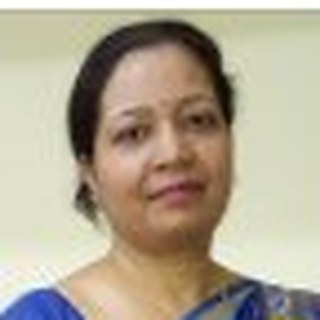
Dr. Suman Tiwari
Director, AdminAn expert in Environmental Sociology, Dr. Suman Tiwari holds an M.A. in Sociology (1993) and a Ph.D. (1997) from the Department of Sociology, Banaras Hindu University. She has taught at the Institute of Information Technology, served as Women Coordinator at the National Environmental Conservation Association with a focus on women's empowerment, and worked as Programme Coordinator in the Jyoti Mahila Nirbal Programme, aided by the Government of the Netherlands.
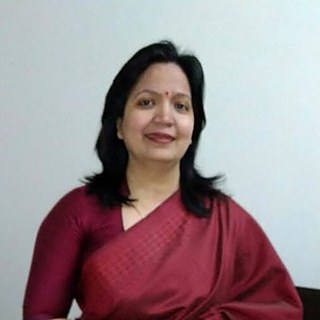
Dr. Sarita Tripathi Pandey
Director, ProgrammingDr. Sarita Tripathi Pandey is a distinguished academician, administrator and researcher with over 15 years of teaching experience and a decade of leadership in environmental and social development institutions. She currently serves as the Program Director at the Sudha Institute of Environment & Technology (SIET). With a Ph.D. from the Institute of Medical Sciences (IMS), BHU, and a subsequent Master of Science in Counseling and Family Therapy, her expertise bridges human ecology, community health, and psychological wellbeing. Reflecting a strong commitment to global best practices, she is an alumna of the U.S. Bureau of Educational and Cultural Affairs and holds numerous advanced certifications from premier international universities in public health, nutrition, and climate change. Dr. Pandey's career is marked by a unique blend of administrative governance and research execution. As a frequent keynote speaker and chief guest at national platforms, she consistently champions women's empowerment, adolescent mental health, sustainable farming, and preventive healthcare.
Ms. Jyoti Tripathi
Director, HRAfter graduating in Science, Ms. Jyoti Tripathi completed an MBA in Human Resource Management from IMS, Varanasi, and served for four years at Sai College for Women, Bangalore. She conducts workshops and seminars on Organisational Behaviour and HR planning, and has worked extensively in socio-economic development, women's empowerment and children's learning and disability. She currently serves as Director, HR at the Sudha Institute of Environment & Technology.
More counsellors are joining our panel soon.
Personal guidance
Book a one-to-one Zoom counselling session
Speak directly with one of our counsellors over a private video call. Whether you are managing stress, seeking clarity, or beginning your Eco-skills journey, a personal session helps you start with the right guidance. To book, call or message us on WhatsApp and we will arrange a Zoom time that suits you.
+91 94152 25011
Begin your journey
Start your 7-day free trial
It's completely free, with no card and no form to fill. Message us on WhatsApp and follow the 7-day guided roadmap.
Your free week includes
- The complete 7-day guided roadmap
- A short daily practice of about 15 minutes
- The Eco-skills self-assessment on day 1 and day 7, so you can measure your own change
- Practices across all five inputs: breath, light, water, nutrition and thought
- A simple FAQ that answers the most common questions
- Available in Hindi and English
- 1
Energy activation
A simple routine to wake up the body.
- 2
Breathing rhythm
A steady, conscious breathing practice.
- 3
Water
Daily water habits, with a simple self-test.
- 4
Stress relief
A two-minute technique for moments of stress.
- 5
Eating
One eating habit to practise.
- 6
Sunlight
Ten minutes of morning sunlight.
- 7
Gratitude
A gratitude practice to close the week.
Continue your growth
We also offer 21-day and 90-day plans
Once your free week shows you what's possible, go deeper. Start free, and continue only if it's working for you.
7-Day Eco-Reset
Free
No card needed · arrives on WhatsApp
Feel the difference in one week, with just 15 minutes every morning.
- Day 1: Energy activation routine
- Day 2: Breathing rhythm practice
- Day 3: Water habits, with a self-test
- Day 4: A two-minute stress-relief technique
- Day 5: One eating habit to practise
- Day 6: Ten minutes of morning sunlight
- Day 7: Gratitude practice
21-Day Eco-Foundation
₹1,499
One-time · about ₹71 / day
Rebuild your body, calm your mind, discover who you really are.
- Week 1 · Physical Health: energy activation, Eco-Respiration, sun energy, nutrition and water management
- Week 2 · Mental Health: hormone science, the 4-A stress technique, all 11 stress-release therapies
- Week 3 · Self-Awareness: your unique skill, your values, your written Ultimate Goal
- 3 live sessions + WhatsApp support group
- PMSEH Insight Assessment, day 1 and day 21
- Certificate of Completion
90-Day Eco-Mastery
₹4,999
About ₹55 / day · the complete system
The complete BHU-researched system, the version the 400-person study was built on.
- Everything in the Foundation
- Month 1: Foundation deepened into habit, plus the principles of matter, energy and thought
- Month 2: Eco-Centralization, focus, observation and directing your energy toward your goal
- Month 3: Holistic Personality Development
- Monthly one-to-one mentorship calls
- 3× PMSEH Deep Assessment + progress reports
- Mastery Certificate + a pathway to becoming a certified trainer
Fees for the 21-day and 90-day plans are non-refundable once the programme has started, so try the free week first. Terms & refunds
Eco-skills is a wellness practice, not medical treatment. If you have a medical condition, please continue to follow your doctor's advice.
Frequently asked questions
What exactly is Eco-skills?
Eco-skills is a set of life skills based on ecological principles. It uses five everyday inputs (breath, light, water, nutrition and thought) to improve your physical and mental health, focus and overall personality.
Is the 7-day trial really free?
Yes. The 7-day Eco-Reset is completely free, with no card required. Message us on WhatsApp and the guided roadmap arrives there.
How much time does it take each day?
About 15 minutes of guided practice each morning. Nothing about it is meant to add stress to your day.
Is it available in Hindi?
Yes. The entire programme and this website are available in both Hindi and English. Switch at any time from the top of the page.
Who created Eco-skills?
It was developed by Prof. B. D. Tripathi at the Mahamana Malaviya Ganga Research Centre, Banaras Hindu University, drawn from five decades of Ganga research and tested on 400 people. It is offered through the Sudha Institute of Environment & Technology (SIET).
Is this a substitute for medical care?
No. Eco-skills is a wellness practice, not medical treatment. If you have a medical condition, please continue to follow your doctor's advice.
Want to know more? Connect on WhatsApp ›
Subscriptions & enquiries
Talk to us directly
For subscriptions to the 21-day and 90-day plans, group or institutional programmes, environmental testing, or any questions, reach us by phone, WhatsApp or email.
+91 94152 25011
SIET office: Audhe, Panchkroshi Road (NH-2), Varanasi 221011
City office: 210, Saket Nagar, Sankatmochan, Varanasi 221005
Research base: Mahamana Malaviya Ganga Research Centre, Banaras Hindu University, Varanasi 221005